Multimodal Reasoning and Agentic Workflows: Analyzing Google’s 2025 AI Evolution
The year 2025 has been a transformative period for the artificial intelligence landscape, marked by a decisive shift from simple text-based interactions to complex, multimodal agentic systems. Google’s release of Gemini 3 and its integration across Search, Workspace, and mobile hardware represents a major milestone in this evolution. These advancements move beyond the “chatbot” paradigm, introducing systems capable of reasoning across text, video, and code, while executing real-world tasks with minimal human intervention.
By analyzing the most effective AI implementations from this year, a clear trend emerges: the democratization of high-level machine learning capabilities. Whether through “Deep Research” in NotebookLM or “vibe coding” in developer tools, the barrier between complex data and actionable insight has been systematically dismantled. This evolution carries significant implications for data synthesis, consumer automation, and the future of digital discovery.
Technical Foundations: The Architecture of Gemini 3
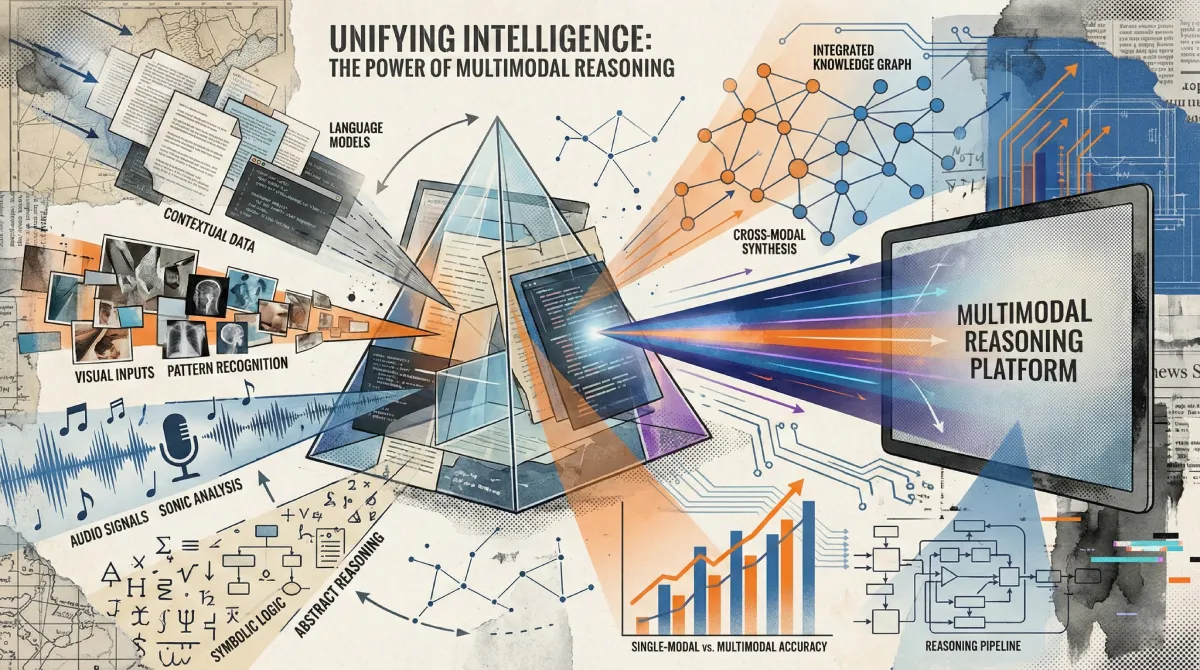
The cornerstone of the 2025 AI suite is Gemini 3, Google’s most advanced multimodal model to date. Unlike previous iterations that relied heavily on text-to-text processing, Gemini 3 utilizes a unified architecture capable of native reasoning across diverse inputs. This technical capability allows for sophisticated “Guided Learning” and “Deep Research” workflows that were previously impossible.
Agentic Coding and Bespoke User Interfaces
One of the standout features of Gemini 3 is its agentic coding ability, which powers “AI Mode” in Search. The model no longer just provides a static answer; it can program and deploy interactive user interfaces (UIs) in real-time. For example, when a user queries complex financial data like mortgage options, the system can generate a custom-built interactive loan calculator directly within the search results. This represents a leap from information retrieval to dynamic software generation on demand.
Multimodal Research with NotebookLM
In the realm of data analysis, NotebookLM has evolved into a sophisticated research assistant. The introduction of “Deep Research” mode allows the system to conduct autonomous background investigations. It scans, imports, and synthesizes high-quality sources, allowing users to continue active work while the agent compiles a full briefing. This is supported by a “world understanding” layer that enables the system to convert uploaded content—such as holiday baking notes—into structured formats like recipe books or technical manuals.
Market Dynamics: The Rise of Agentic Search
The competitive landscape of search has moved toward “Agentic AI,” where the system takes action on behalf of the user. Google’s latest features in Search allow the AI to perform multi-step tasks, such as calling local businesses to check inventory or identifying budget-friendly restaurants along a specific driving route.
Circle to Search and AI Overviews
The “Circle to Search” feature, integrated into the Android ecosystem, has been enhanced with AI Mode. This allows users to query visual elements on their screen and immediately enter a conversational reasoning loop. By determining when an AI response is most helpful, the system generates “AI Overviews” that summarize complex topics across the web, facilitating a deeper level of discovery without the need to switch applications or manually parse through multiple links.
Impact on Travel and Commerce
The travel sector has been particularly impacted by “Flight Deals” and “Canvas in AI Mode.” These tools allow users to plan complex itineraries using natural language prompts. The system acts as a travel agent, optimizing for nonstop flights, food quality, and weather preferences simultaneously. By utilizing Gemini’s ability to extract data from screenshots of travel blogs or social media, Google Maps can now automatically generate lists of destinations, bridging the gap between inspiration and logistical planning.
Creative Innovation: Generative Media and “Flow”
In 2025, the boundary between static imagery and dynamic video has blurred. Google’s “Flow” tool, powered by the Veo video generation model, has introduced high-fidelity animation capabilities to the mainstream market. Users can now animate static photos and add synchronized audio, turning a single frame into a cinematic sequence.
Nano Banana and Photo Editing
The “Nano Banana” engine in Google Lens has redefined mobile image editing. Through natural language commands like “restore this old photo” or “erase the fence,” users can perform complex manipulations that once required professional software. A significant innovation in this space is the virtual try-on tool, which uses a single selfie to generate a full-body digital avatar, allowing for more accurate and personalized digital commerce experiences.
Hardware Integration: The Pixel 10 and Wearables
The integration of AI into physical hardware has reached new levels of sophistication with the Pixel 10 and Pixel Watch 4. These devices utilize local and cloud-based machine learning models to handle routine tasks with “Raise to Talk” and gesture-based controls.
Take a Message: On the Pixel 10, AI models now manage missed calls by detecting spam in real-time and providing transcripts with suggested next steps.
Gemini Live: This feature uses camera input to troubleshoot real-world issues. By pointing a phone camera at a malfunctioning device, users can get real-time, interactive plans for repairs or setup.
Ask Home: The “Gemini for Home 1” model allows for the creation of complex smart home automations using natural language, removing the need for manual programming in home management apps.
The Future Implication: From Assistance to Autonomy
As we conclude 2025, the trajectory of AI is moving toward a “Strategic Autonomy” model. The tools developed this year suggest a future where AI is not just a tool we use, but a partner that understands our context, anticipates our needs, and executes tasks across both digital and physical domains.
The transition to Gemini 3 and the expansion of agentic features in Search indicate that the next frontier will be “cross-contextual intelligence.” This involves AI that can seamlessly follow a user from a desktop research session to a mobile search and into a hands-free voice interaction in a vehicle, maintaining a continuous thread of logic and memory. For businesses and creators, the takeaway is clear: the ability to leverage these agentic workflows will be the primary driver of productivity and innovation in the coming decade.
Source: https://blog.google/technology/ai/ai-tips-2025/
Would you like me to create a technical deep-dive into the agentic coding protocols used in Gemini 3 to help your development team implement bespoke generative UIs in your own applications?