
Gemini 3 and Antigravity Platform Spearhead Google’s New Era of Enterprise AI and Autonomous Innovation
Google has unveiled a comprehensive suite of Artificial Intelligence (AI) updates for November, highlighted by the launch of Gemini 3, a new generation of foundation models, and the introduction of the Google Antigravity agentic development platform. These announcements collectively mark a significant push by Google to integrate advanced AI capabilities—specifically multimodal understanding and agentic reasoning—across its consumer and enterprise products, from Search and Maps to cutting-edge development environments.
The November updates matter because they fundamentally shift AI from being a reactive tool to a proactive, autonomous partner. Gemini 3’s enhanced performance, particularly in multimodal understanding and its role as a “vibe coding” model, improves everyone’s ability to learn and plan. Concurrently, the launch of Google Antigravity enables developers to rapidly build and deploy complex, autonomous AI agents that plan, execute, and verify tasks. This dual focus—advancing foundational Machine Learning models while also providing the automation platforms to operationalize them—accelerates the timeline from initial innovation to real-world application, impacting fields from healthcare and education to sophisticated enterprise development and national infrastructure planning.
Gemini 3: Advancing the Frontiers of Multimodal Intelligence
The core of Google’s November announcements is the release of Gemini 3, which the company positions as the next step in pushing the frontiers of intelligence, agentic experiences, and personalization.
Technical Capabilities and Performance
Gemini 3 is optimized for multimodal understanding, signifying its capability to seamlessly process and reason across various data types, including text, code, images, and potentially video, with greater coherence than its predecessors.
Enhanced Reasoning: Gemini 3 Pro demonstrates superior performance across major AI benchmarks, providing developers with a more powerful tool for building complex applications. Its state-of-the-art reasoning is immediately integrated into Google Search via AI Mode, marking the first time a Gemini model has been integrated into Search on its release day.
Agentic and Coding Prowess: The model is specifically touted as Google’s most powerful agentic and “vibe coding” model to date. The term “vibe coding” suggests a significant advance in the model’s ability to grasp nuanced, human-centric instructions and creative intent, translating non-specific ideas into functional code or designs.
Multimodal Search Experiences: In Google Search, Gemini 3 unlocks new experiences through dynamic visual layouts, interactive tools, and simulations that are tailored in real-time to the user’s query, showcasing the direct benefit of its advanced multimodal processing.
Developer Enablement: The Antigravity Platform and Creative AI
Google’s releases are heavily focused on supporting the developer community and enhancing creative professional workflows, ensuring the benefits of Gemini 3 are translated into tangible applications.
Google Antigravity: The Agent-First Interface
The introduction of Google Antigravity is arguably one of the most critical enterprise announcements. This new agentic development platform moves beyond simple code editing to offer an AI-powered coding experience.
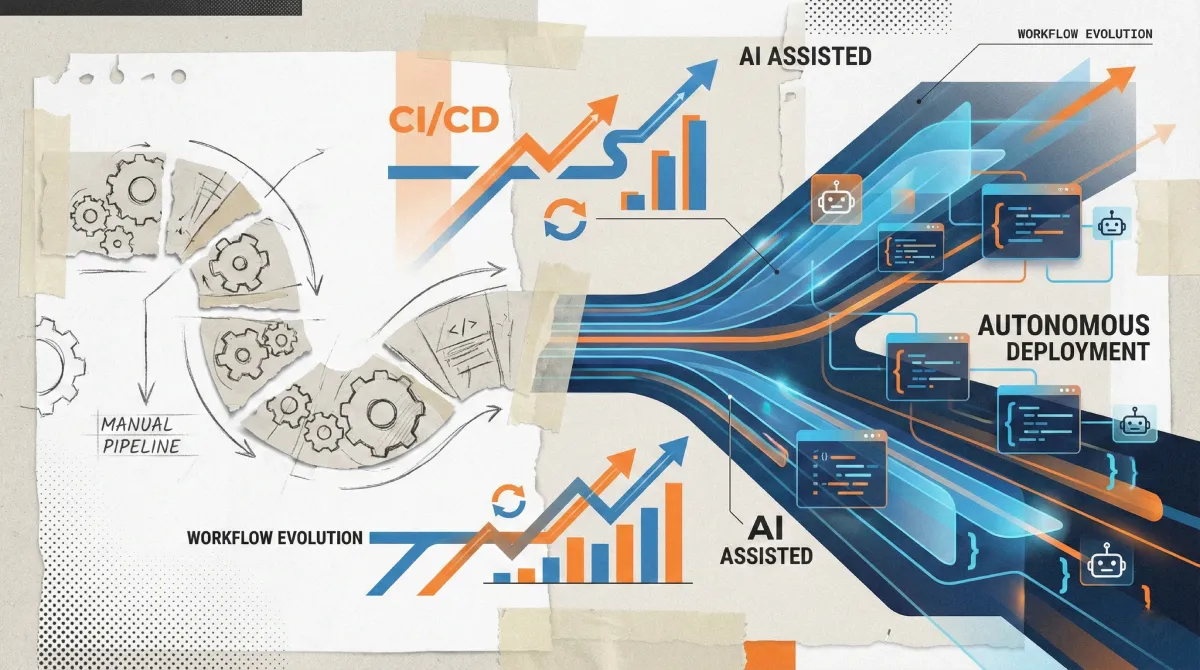
Autonomous Workflow Design: Antigravity provides a new agent-first interface for deploying AI agents that can autonomously plan, execute, and verify complex tasks. This platform directly targets the rising demand for sophisticated automation, enabling developers to transform complex ideas into reliable, functioning AI systems with greater speed. The vision is to enable “anyone with an idea to experience liftoff and build that idea into reality.” The public preview of Antigravity is available immediately, inviting developers to integrate this new interface into their innovation workflows.
Nano Banana Pro: Studio-Quality Generative Visuals
Built on the advancements of Gemini 3, the new Nano Banana Pro image generation and editing model signifies a shift toward high-fidelity, studio-quality visuals. While the original Nano Banana model was suitable for fast, fun editing, the “Pro” variant is engineered to handle complex tasks demanding the highest visual quality. This move targets the professional creative market, ensuring that Generative AI tools can meet industry standards for quality and complexity.
Strategic Integration: Making AI Pervasive and Proactive
The utility of Gemini 3 is immediately being extended across Google’s most used consumer applications, transforming user experience through enhanced automation and natural language interaction.
Autonomous Navigation and In-Car AI
Google is significantly integrating Gemini into the driving experience:
Conversational Google Maps: Gemini will soon enable the first hands-free, conversational driving experience in Google Maps. Users can find places, report traffic, and ask for suggestions along their route using only their voice, representing a major safety and automation innovation.
Landmark-Based Navigation: New landmark-based navigation offers clearer, more context-aware directions, moving beyond simple distance metrics (“turn right in 500 feet”) to using helpful points of reference (“turn right after the Thai Siam Restaurant”). This integration of AI and geospatial data improves real-world utility.
Android Auto Integration: Gemini is rolling out to the over 250 million cars currently using Android Auto. Drivers gain the ability to use natural language to add stops, send messages, and even brainstorm ideas while driving, using the AI as a seamless copilot for everyday tasks.
The Scientific and Societal Impact of AI
Google also highlighted the five-year anniversary of AlphaFold solving the protein folding problem, an achievement recognized by the Nobel Prize in Chemistry in 2024. This success story serves as a major proof point that AI is a transformative tool for advancing fundamental scientific research, demonstrating the profound value of long-term Machine Learning investment.
Furthermore, the release of WeatherNext 2, an advanced weather forecasting model, showcases the immediate operational impact of AI. The model generates forecasts up to eight times faster and with one-hour resolution, providing crucial, high-speed data to support weather agencies and critical decision-making processes worldwide.
Scaling AI Infrastructure and Future Implications
Underpinning all the product and innovation announcements is a massive commitment to infrastructure and talent development. Google announced a new $40 billion investment in Texas for AI and cloud infrastructure, part of a global push to unlock economic opportunity through advanced Machine Learning deployment. This commitment includes a critical US workforce initiative aimed at training 100,000 electrical workers and creating 30,000 new apprentices, ensuring the necessary human capital supports the physical infrastructure required for global AI scaling.
The introduction of SIMA 2 also points toward the long-term goal of Artificial General Intelligence (AGI). By integrating Gemini’s capabilities, SIMA 2 is evolving from a simple instruction-follower into an interactive companion that can follow human-language instructions in virtual worlds, think about its goals, and improve itself over time. This work on AI-embodiment and self-improving agents is a foundational pillar for future robotics and autonomous systems.
Google’s November announcements—from the advanced multimodal intelligence of Gemini 3 to the autonomous development focus of Antigravity and the global scaling of its infrastructure—underscore a comprehensive strategy: to deeply integrate powerful, proactive AI across consumer life, enterprise development, and global scientific innovation.
Source: https://blog.google/technology/ai/google-ai-updates-november-2025/